Legacy Decommissioning
By retiring outdated or obsolete systems, software, or infrastructure, organizations reduce costs and complexity, empowering you to reinvest in future-proofing initiatives and innovation.
Addressing Legacy System Challenges
for a Future-Proof Landscape
Auritas doesn't just bid farewell to outdated systems; we ignite a spark of innovation.
Challenges
Legacy system challenges faced by organizations.
Addressing Legacy System Challenges
for a Future-Proof Landscape
Auritas doesn't just bid farewell to outdated systems; we ignite a spark of innovation.
Outcomes
Value delivered through decommissioning strategies.




Legacy decommissioning
and it's importance
Legacy decommissioning is the process of retiring outdated applications while preserving secure, long-term access to historical business data.
By moving legacy data into a centralized archive, organizations reduce infrastructure costs, simplify IT landscapes, support compliance, and accelerate digital transformation initiatives.
Legacy System Decommissioning Components
Legacy decommissioning involves more than retiring applications, it ensures historical data remains secure, searchable, and compliant for years to come.
-
Data Extraction
Extract historical data from legacy applications while preserving its integrity.
-
Data Preservation
Store legacy data securely in a centralized, cost-beneficial, long-term archive.
-
Data Access
Provide users with searchable access to historical records without the original system.
-
Compliance Retention
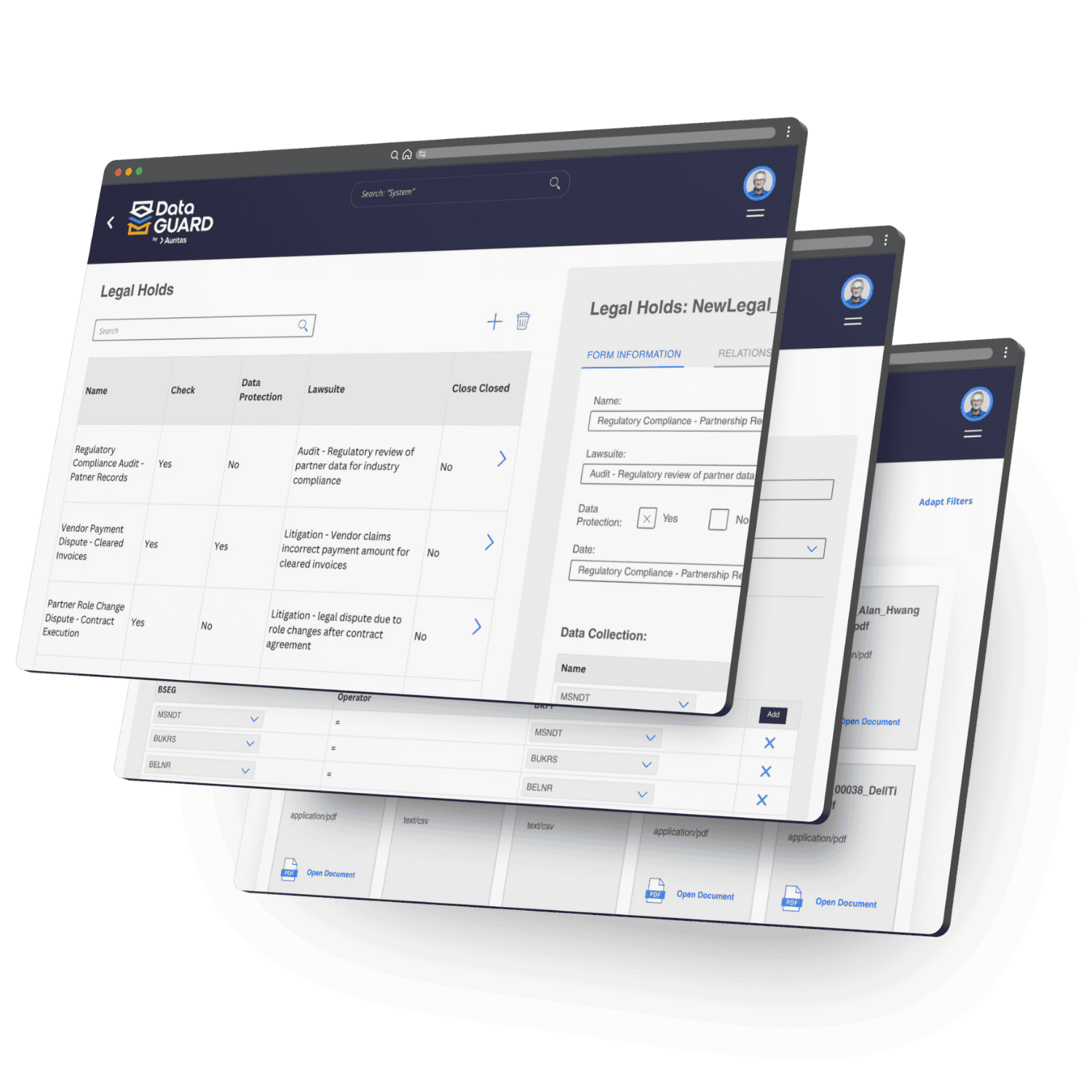
Apply retention policies, legal holds, and governance controls to archived data.
-
Legacy Retirement
Safely decommission applications to reduce costs and simplify the IT landscape.

Data GUARD manages and retires legacy systems
Data GUARD makes the system retirement process seamless and cost-effective, freeing up resources and allowing you to focus on driving innovation and growth. By retiring your old or obsolete systems, you can improve security and simplify your IT environment.
Explore Data GUARD
How Auritas Can Support Your Legacy Decommissioning Journey
Retire Systems
with Confidence
Retire outdated SAP and non-SAP systems by securely transferring required data, validating accessibility, and permanently shutting down legacy infrastructure.
Understand Your
Legacy Landscape
Evaluate systems, applications, data warehouses, data lakes, and analytics platforms to identify dependencies and define a comprehensive decommissioning strategy.

Build a Clear Decommissioning Roadmap
Develop a structured roadmap for retiring legacy systems and applications while maintaining secure data access, compliance, and business process continuity.

Preserve Access and Maintain Compliance
Implement solutions such as Data GUARD and SAP ILM to preserve data access, enforce retention policies, and support long-term compliance.
What customers are saying about Auritas...
With over $2 billion in cumulative customer savings, Auritas' data
volume management solutions deliver measurable business outcomes.


Proven Customer Results
See how SAP leaders turned challenges into business advantages.
$4M average annual savings
90% data volume reduction, faster issue resolution and improved customer satisfaction.
200 Systems Decommissioned
Millions in savings by decommissioning SAP & non-SAP systems, keeping data access.

DVM content management
Data archiving and legacy decommissioning for significantly reduced footprint.
How to get started?
Assess Your Data Volume
The Data Volume Assessment (DVA) is a complimentary evaluation that analyze your enterprises' database size, storage utilization, and volume management within your SAP environment, identifying size reduction opportunities and tailored recommendations.

Explore Resources

What Happens to Legacy Systems after Greenfield Migration?
A migration is an opportunity to modernize operations, but legacy systems cannot be ignored.

Data Archiving vs. Legacy System Decommissioning
Understand when to archive historical SAP data and when retiring legacy systems delivers greater business value.
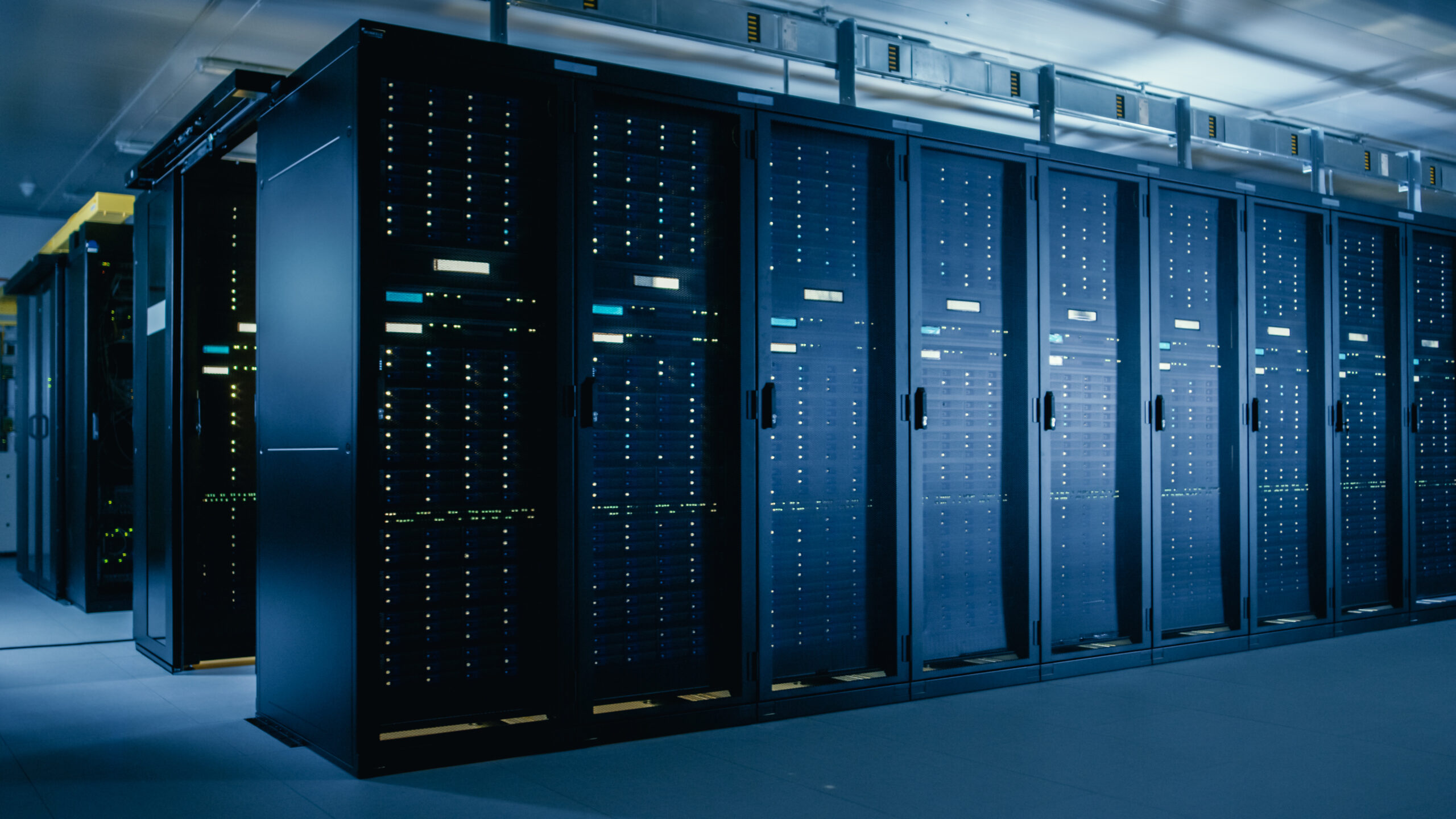
Legacy Decommissioning Plan Prior to System Migration
Planning for the legacy systems left after a migration is an essential step in the preparation phase.

3 Pitfalls to Avoid during Legacy Transformation
Decommissioning systems can be a complex process. Explore common pitfalls and how to overcome them:

The Importance of Legacy Decommissioning
Legacy decommissioning is paramount for large organizations, offering a multitude of benefits to enable growth.
Legacy Decommissioning FAQs
What does decommissioning a system mean?
System decommissioning is the process of retiring outdated systems while preserving required historical data. A strong decommissioning strategy keeps data accessible for legal, audit, regulatory, and business needs without keeping old systems running.
What are the benefits of SAP legacy system retirement?
SAP legacy system decommissioning, or retirement, helps reduce maintenance costs, lower security risk, simplify IT environments, and preserve access to historical records. With a tool like Data GUARD by Auritas, organizations gain a single source of truth for retired SAP and non-SAP data.
What are the risks of not decommissioning legacy systems?
Failing to decommission legacy systems poses significant risks, including increased vulnerability to security breaches, higher maintenance costs, decreased agility, and inhibited innovation.
How can I build a legacy system decommissioning plan for SAP and non-SAP systems?
A legacy system decommissioning plan should start with a full review of current systems, data usage, retention requirements, reporting needs, and business risk. From there, organizations should prioritize systems for retirement and move required data into a secure, accessible environment.